Why Medical Office Cleaning Services Require Specialized Protocols
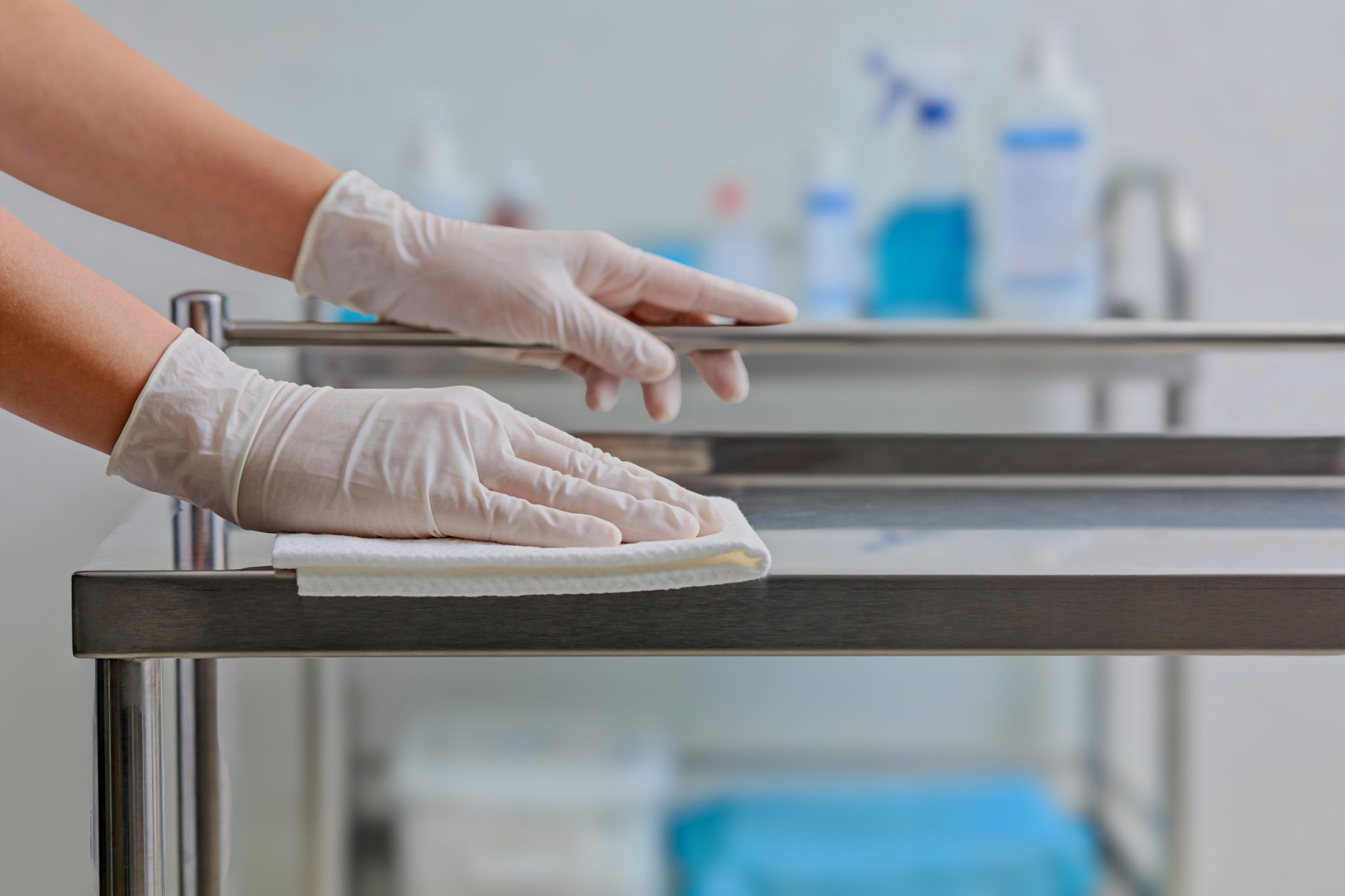
Medical office cleaning requires a strategy that goes way beyond making the place look tidy. A regular office cleaning crew focuses on dusting and vacuuming. A clinical space is completely different because you must focus on sanitizing surfaces and stopping cross-contamination. To do this right, a crew needs to know exactly how pathogens spread, how to use specialized chemicals, and how to follow strict health regulations.
Surface Appearance vs. Clinical Disinfection
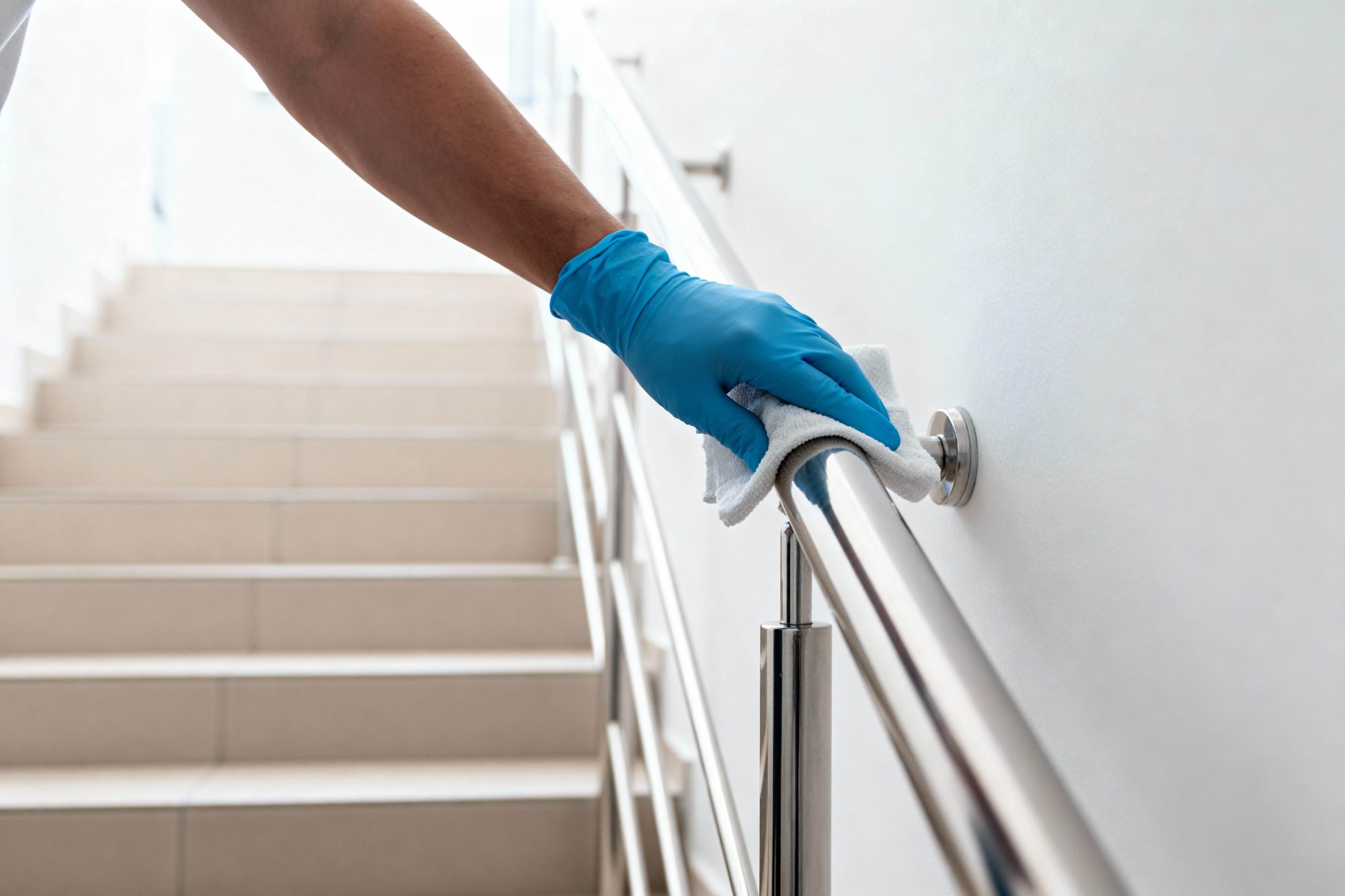
In a busy clinic or hospital, high-touch areas are constantly exposed to germs from patients, visitors, and staff. A lot of these patients have weak immune systems, like kids, elderly people, or people with chronic illnesses. Because of that, the cleaning process has to focus on killing infections, not just making things look shiny. Every step must be done the exact same way every time. If the crew cuts corners, they will just spread pathogens from one surface to another instead of killing them.
Quick advice: Pay attention to your waiting room during peak hours. A lot of medical offices bring in daytime cleaning support specifically to wipe down reception desks, door handles, and restrooms throughout the day. This keeps germs from building up and spreading between patients before the night crew even gets there.
OSHA, HIPAA & Healthcare Cleaning Standards
OSHA Compliance & Safety Protocols
Medical cleaning crews need documented training on specific safety procedures. A proper training program must cover these specific areas:
- Bloodborne pathogen awareness
- Proper PPE usage
- Safe chemical handling
- Hazard communication standards
- Exposure prevention procedures
HIPAA Awareness & Confidentiality
While janitorial service companies themselves do not receive formal HIPAA certification, field technicians operate in spaces where sensitive patient data exists. Cleaning staff must remain mindful of privacy constraints while working in administrative zones or exam rooms.
Teams operating in medical offices must respect patient privacy by avoiding exposure to paperwork, maintaining discretion in active clinical zones, and following secure room management procedures around confidential spaces.
Infection Control Principles
The primary focus of clinical cleaning is killing microbes, not just wiping away dust. Regular office work focuses on cosmetics. Medical work focuses on sanitization.
To actually reduce germs, a crew must use hospital-grade, EPA-registered disinfectants and they must follow the dwell time. Dwell time is the amount of time a chemical needs to sit wet on a surface to kill the target virus or bacteria. If a cleaner sprays an exam table and immediately wipes it off with a rag, they did not disinfect it. They just moved the germs around.
Cross-contamination is another massive problem. A lazy crew will use the same rag to wipe down a toilet and then turn around and use it on the break room counter. To stop this, proper crews utilize a strict, color-coded microfiber system. Red microfibers are only for high-risk restroom areas, yellow is for low-risk restroom surfaces, and blue or green are reserved for common areas and exam rooms.
Following a structured office cleaning checklist helps track these touchpoints so that high-contact items, like door handles, fixtures, and waiting room chairs, get the correct chemical exposure every single night.
Why Staff Training Matters in Medical Cleaning
In healthcare, consistent cleaning is as important as frequent cleaning. Janitorial teams should receive specialized training on:
- Infection prevention protocols
- Proper disinfecting procedures
- PPE usage
- High-touch surface sanitation
- Cross-contamination prevention
- Safe chemical application
Healthcare facility managers should also understand what communication standards, quality-control procedures, and accountability measures to expect from a professional cleaning provider.
How Physical Appearance Impacts Patient Trust
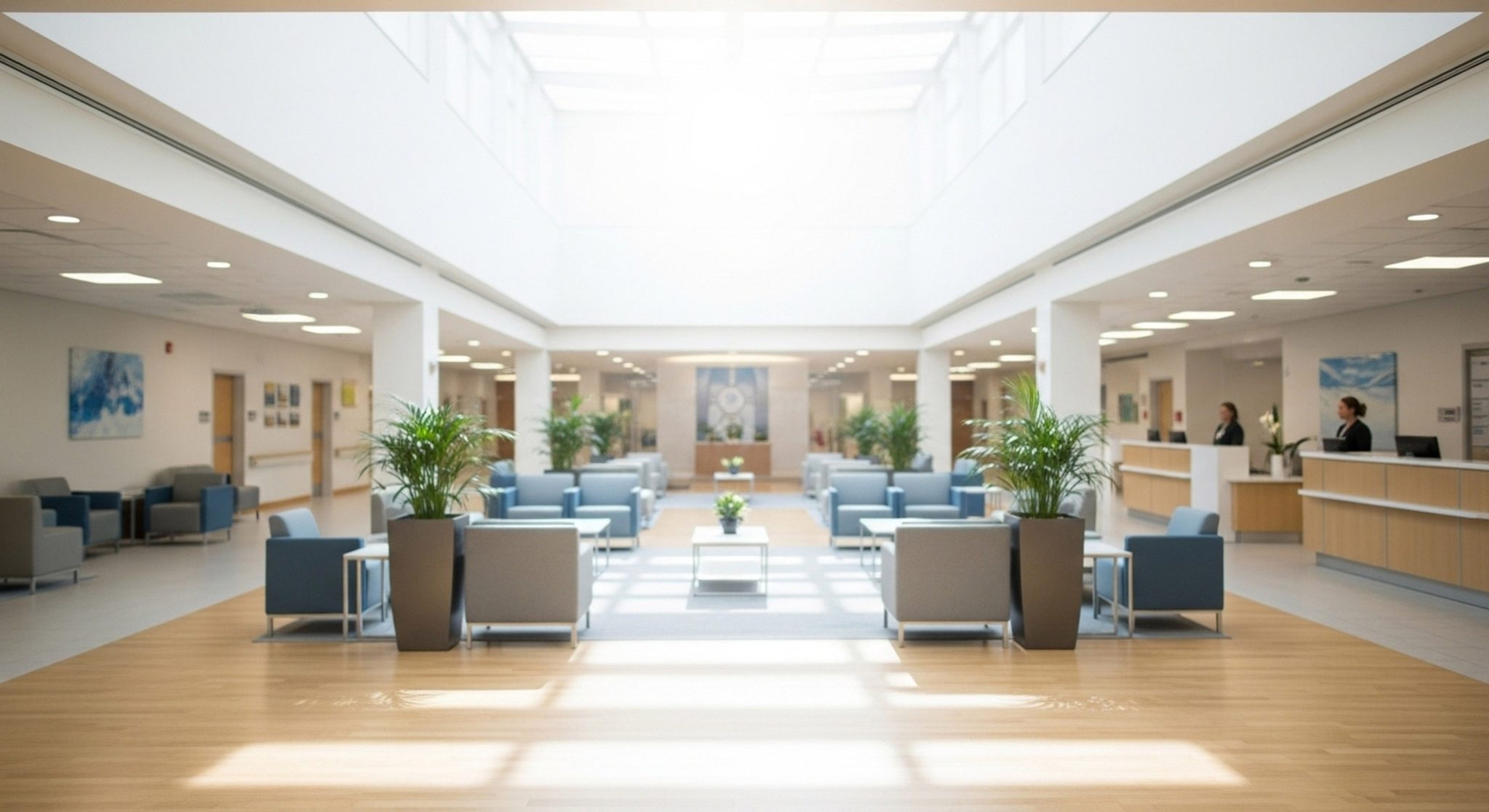
While killing invisible microbes is the priority, the visible condition of your building still dictates how patients judge your medical practice. If a waiting room has dusty baseboards, stained carpets, or full trash cans, patients immediately assume the clinical areas are poorly managed too. It destroys their trust before they even see a doctor.
Odors are another major issue. If a restroom smells bad, or if a cleaning crew uses heavy, perfumed deodorizers to mask a smell instead of actually cleaning the bacteria causing it, people notice. Medical environments should smell neutral, not like chemicals or perfume.
Flooring takes the biggest beating in a medical building because of heavy foot traffic, rolling beds, and chemical spills from disinfectants. If your VCT flooring loses its finish, dirt gets ground into the porous vinyl and stays there. Implementing structured commercial floor care programs keeps dirt from getting trapped in the surface and prevents that dull, gray appearance that makes a clinic look old and dirty.
Read now: Commercial Floor Maintenance Best Practices
What to Look for in a Medical Office Cleaning Company
Choosing the right medical office cleaning provider is just as important as implementing proper cleaning procedures. Healthcare facilities should look for a janitorial partner with the experience, training, and quality-control processes necessary to maintain a safe, compliant, and professional environment.
- Healthcare cleaning experience
- OSHA-trained staff
- Hospital-grade disinfectants
- Quality-control inspections
- Consistent staffing
- Flexible scheduling
- Strong communication
Healthcare facility managers should also understand what communication standards, accountability measures, and service expectations to expect from a professional cleaning provider.
Frequently Asked Questions
Can standard office cleaning products be used in healthcare facilities?
Not always. Many standard commercial cleaning products are not designed for healthcare environments or infection-control procedures. Medical facilities often require EPA-registered disinfectants and stricter cleaning protocols.
What areas in a medical office require the most attention?
High-touch surfaces usually require the most frequent disinfecting. This includes exam tables, waiting room seating, door handles, restroom fixtures, reception counters, shared equipment, and breakroom surfaces.
Why do healthcare facilities use color-coded microfiber systems?
Color-coded microfiber cloths and mop systems help reduce cross-contamination between areas like restrooms, waiting rooms, exam rooms, and break areas. This helps prevent germs from spreading throughout the building.
Why is daytime cleaning important in medical offices?
Many clinics and healthcare facilities experience constant foot traffic throughout the day. Daytime cleaning crews help disinfect high-touch surfaces like reception desks, door handles, elevators, and restrooms before contaminants build up.
Need Reliable Medical Office Cleaning Services?
Medical office cleaning requires specialized attention to sanitation, infection prevention, professionalism, and consistency. Choosing the right commercial cleaning provider can help protect your patients, support your staff, and maintain a professional facility environment.
ClearPoint Facility Services provides customized healthcare cleaning solutions for medical offices, clinics, and healthcare facilities throughout Dallas-Fort Worth and Houston.Request a Customized Cleaning Plan Today